Be yourself; Everyone else is already taken.
— Oscar Wilde.
This is the first post on my new blog. I’m just getting this new blog going, so stay tuned for more. Subscribe below to get notified when I post new updates.
Be yourself; Everyone else is already taken.
— Oscar Wilde.
This is the first post on my new blog. I’m just getting this new blog going, so stay tuned for more. Subscribe below to get notified when I post new updates.

11 tips to plan your exercise
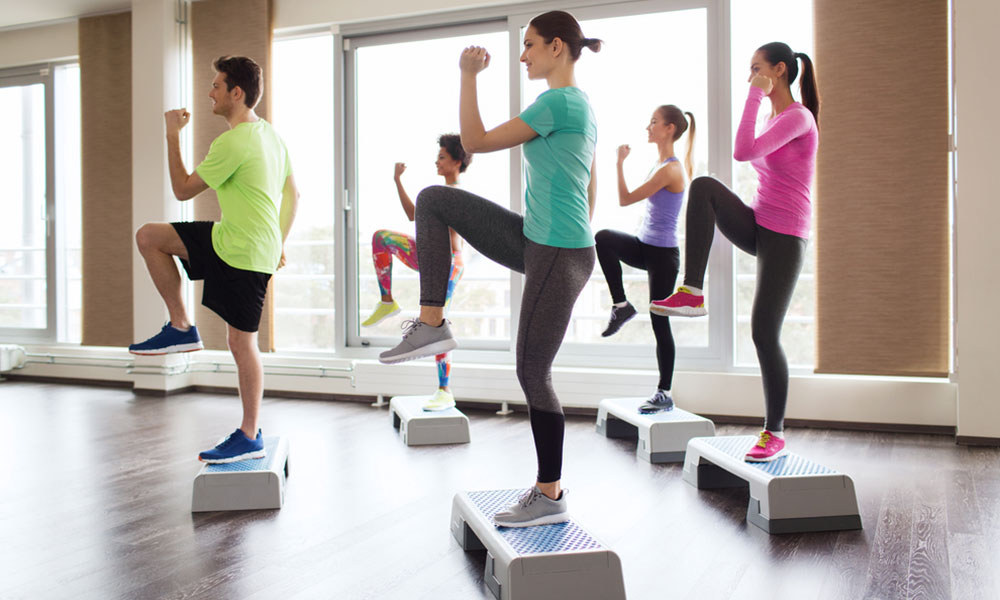
1. Make exercise a top priority. You know the health benefits of physical activity. If you want to feel good, drop some of that excess weight, increase your energy levels, improve your mood and feel more relaxed, make the commitment to a healthier life. Remember, if you need help, ask for it. Speak to your local GP, allied health or fitness provider about the state of your health. Ask them how they can support your physical activity. If possible, recruit a skilled team to support your lifestyle changes.
2.Set yourself short and long-term SMART goals that are:
o Specific
o Measurable
o Achievable
o Realistic
o Time based.3. Don’t weigh yourself every day as your weight fluctuates daily. Weigh yourself once a week at the same time of the day. Remember, many of the benefits of exercise are more than weight loss.
4. 4. Draw up an activity action plan and use it. Keep a diary of your activities. This could be a weekly plan that sets out the specific activities you are going to do each day and for how long. Include your goal for that week or month and build in rewards (such as tickets to the movies, rather than something like fast food takeaway).
5. 5.Make some allowances for missed sessions and setbacks. These are inevitable and a great learning experience. If you plan for and accept them, modifications can be made to your plan without major disruptions.
6. 6.Make the time to exercise. You don’t have to find hours each day to exercise. With just 30 minutes of moderate intensity activity – that increases your heart rate and breathing – on most, if not all days, you’ll notice the benefits. It can even be broken into 10-minute chunks. High-intensity interval training is a popular method of training that takes less time and is showing some positive results in research trials.usually involves repetition of exercises at high intensities just below maximum effort with rest periods. It is advisable to seek expert support and supervision before starting this type of activity.
7. 7.Choose an exercise. Think about what you like doing. Consider the environment you’d enjoy when being physically active. It might be indoor, outdoor, in a pool or with equipment. This will make it more enjoyable, which helps to keep you motivated.
8. 8.Turn everyday things into active time. Make your everyday tasks more active. Take the stairs. Work up a housework sweat! Park your car further away. Take public transport, which generally requires some walking. Break up long periods of sitting by standing and moving around. Spend active time with the kids – play in the park or backyard.
9. 9. Reject excuses. Most people can come up with plenty of reasons not to be active – too busy or too tired, not having the ability, the money or the support. Most of these barriers can be overcome. Don’t let them get in the way of a happier, healthier you.
110. Think about the benefits versus the costs. There are lots of good reasons to be active. You can burn up kilo joules, improve your health, reduce stress and make new friends. Draw up a table of the benefits of being active versus the costs of remaining sedentary.
111. Review your plans and goals, and track your progress. You may find that you can gradually increase some activities while others are just too hard. You could consider more convenient times to exercise or find some new activities. There may be times when expert advice from a health or exercise professional may be needed for you to break through plateaus in your training progress. Tracking your progress can be a great motivator. Keep a diary or use one of the apps for phone or tablet that are available. Reaching each goal will give you the confidence to strive for the next one.
This is an example post, originally published as part of Blogging University. Enroll in one of our ten programs, and start your blog right.
You’re going to publish a post today. Don’t worry about how your blog looks. Don’t worry if you haven’t given it a name yet, or you’re feeling overwhelmed. Just click the “New Post” button, and tell us why you’re here.
Why do this?
The post can be short or long, a personal intro to your life or a bloggy mission statement, a manifesto for the future or a simple outline of your the types of things you hope to publish.
To help you get started, here are a few questions:
You’re not locked into any of this; one of the wonderful things about blogs is how they constantly evolve as we learn, grow, and interact with one another — but it’s good to know where and why you started, and articulating your goals may just give you a few other post ideas.
Can’t think how to get started? Just write the first thing that pops into your head. Anne Lamott, author of a book on writing we love, says that you need to give yourself permission to write a “crappy first draft”. Anne makes a great point — just start writing, and worry about editing it later.
When you’re ready to publish, give your post three to five tags that describe your blog’s focus — writing, photography, fiction, parenting, food, cars, movies, sports, whatever. These tags will help others who care about your topics find you in the Reader. Make sure one of the tags is “zerotohero,” so other new bloggers can find you, too.

 medicinecornar